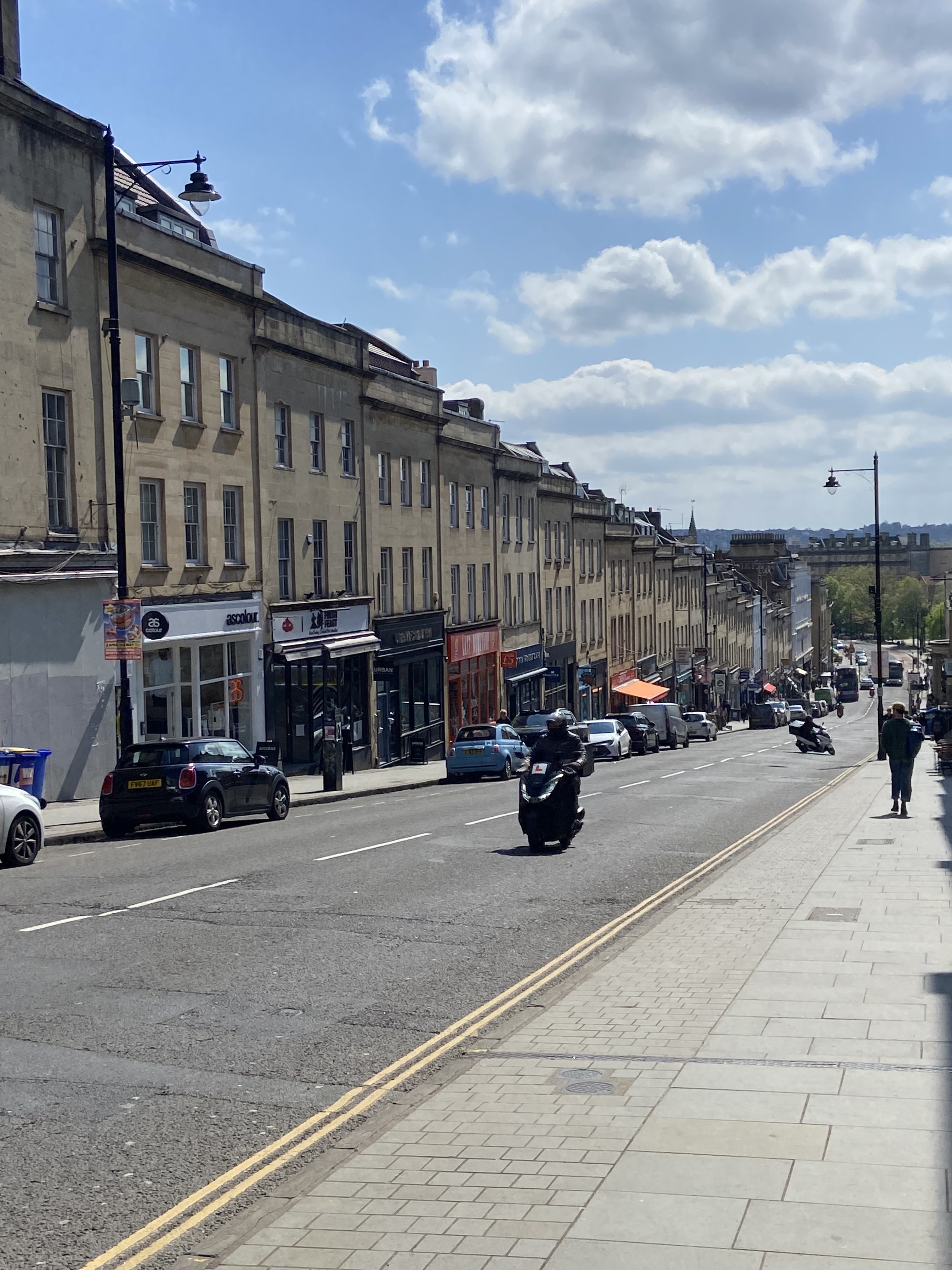
I graduated from Bristol University (modern languages) in the summer of 1986 and hadn’t been back until April this year when I made a quick trip while in the UK. Arriving on the train from London, I remembered the façade of Bristol Temple Meads with its gothic turrets and large clockface. The station was originally designed by Isambard Kingdom Brunel, opening in 1840 as the western terminus of the Great Western Railway and then rebuilt and expanded in the 1870s as rail traffic increased. It’s now a Grade1 listed site. So much history and I hadn’t even found the bus stop to get to my Airbnb yet! As it happens, I never did find the 73. A bit like platform 9 and ¾ at Kings Cross, it seemed not to exist. Having darted out around – wheelie suitcase in tow – checking out all the stops at the station and surrounding roads, I found just about every bus number bar the 73. I gave up and got an Uber to my Gloucester Road abode instead. Much easier.
There the challenges continued as I struggled to get into the flat. Pin codes, tricky door handles, a lock box in mossy corner of a car park, two sets of doors – one streetside and the other the door to the third-floor apartment – both requiring a jiggling, wiggling key technique (as per the very detailed Airbnb house manual) and calls to my (gracious) host – what a faff! It was mid-afternoon, I hadn’t had any lunch and I was starting to get cranky – suffice it to say I wouldn’t do well in an Escape Room! Thank Goodness for the biscuits and a cuppa – once I did get into the flat – which I enjoyed on the balcony overlooking Gloucester Road, incidentally one of the longest streets of independent shops in Europe – a refreshing break from the usual high street homogeneity.
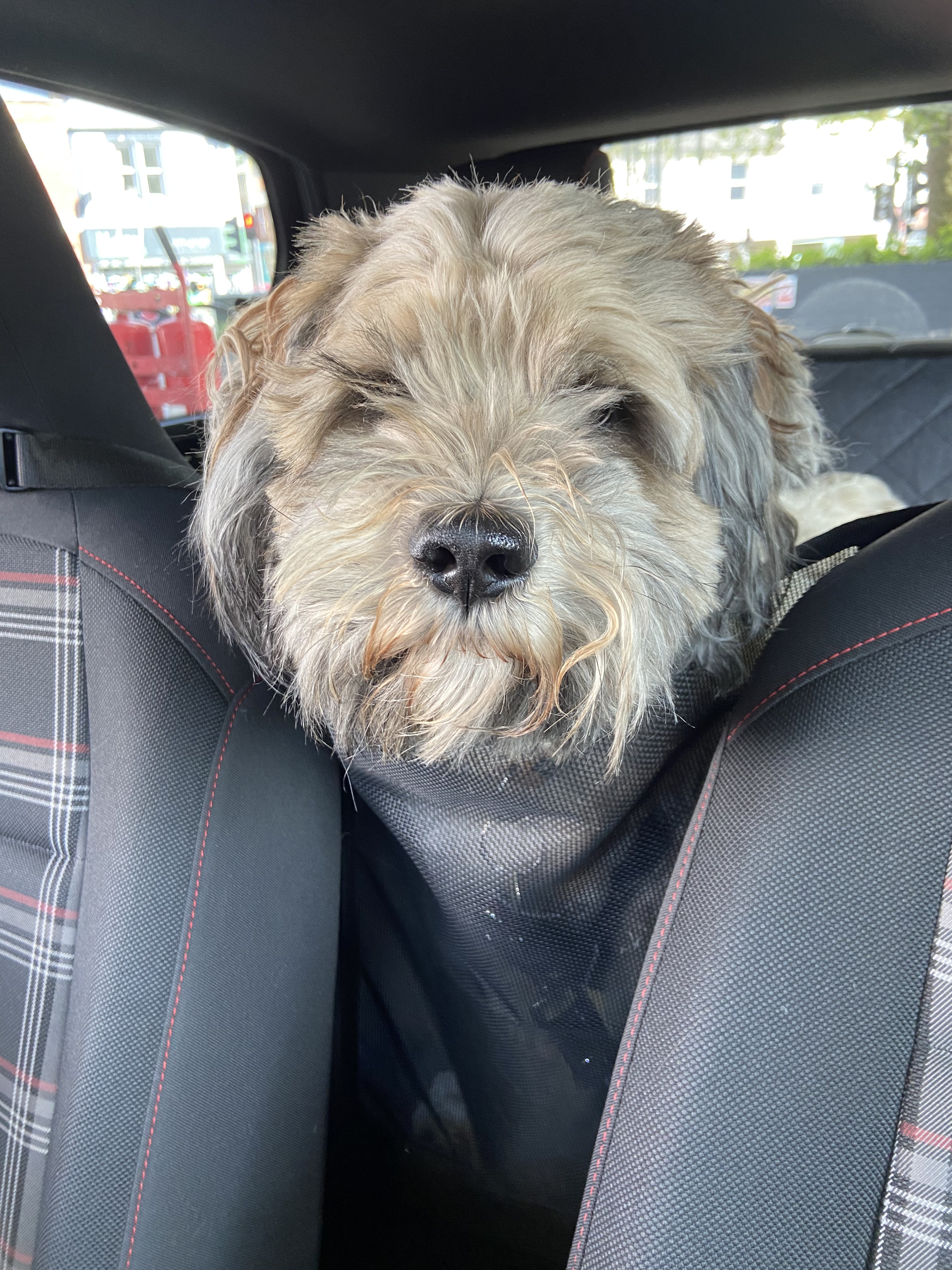
But it was Meryl, a fellow modern languages alumnus who studied at the same time as me, who saved the day. She and her husband Nick now live in Cotham. Although we weren’t in the same friendship group back then, a mutual friend connected us, and how glad I am that she did. Meryl is a special needs teacher and very special human being with a big heart and wonderful calming presence. She took time off work to drive me around and to share her city with me. Knowing I love dogs, her adorable Tibetan Terrier, Goose, came along for the ride.
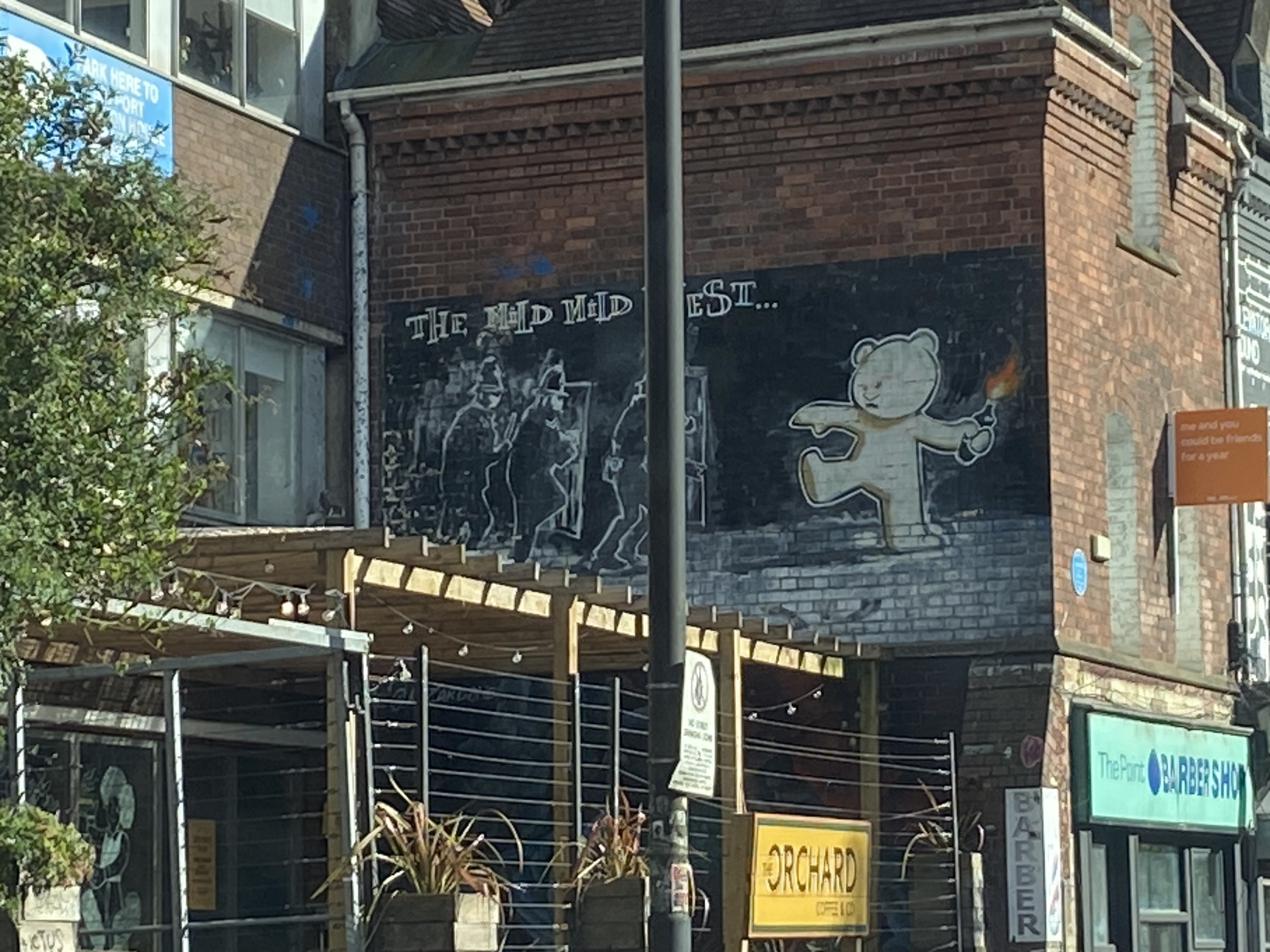
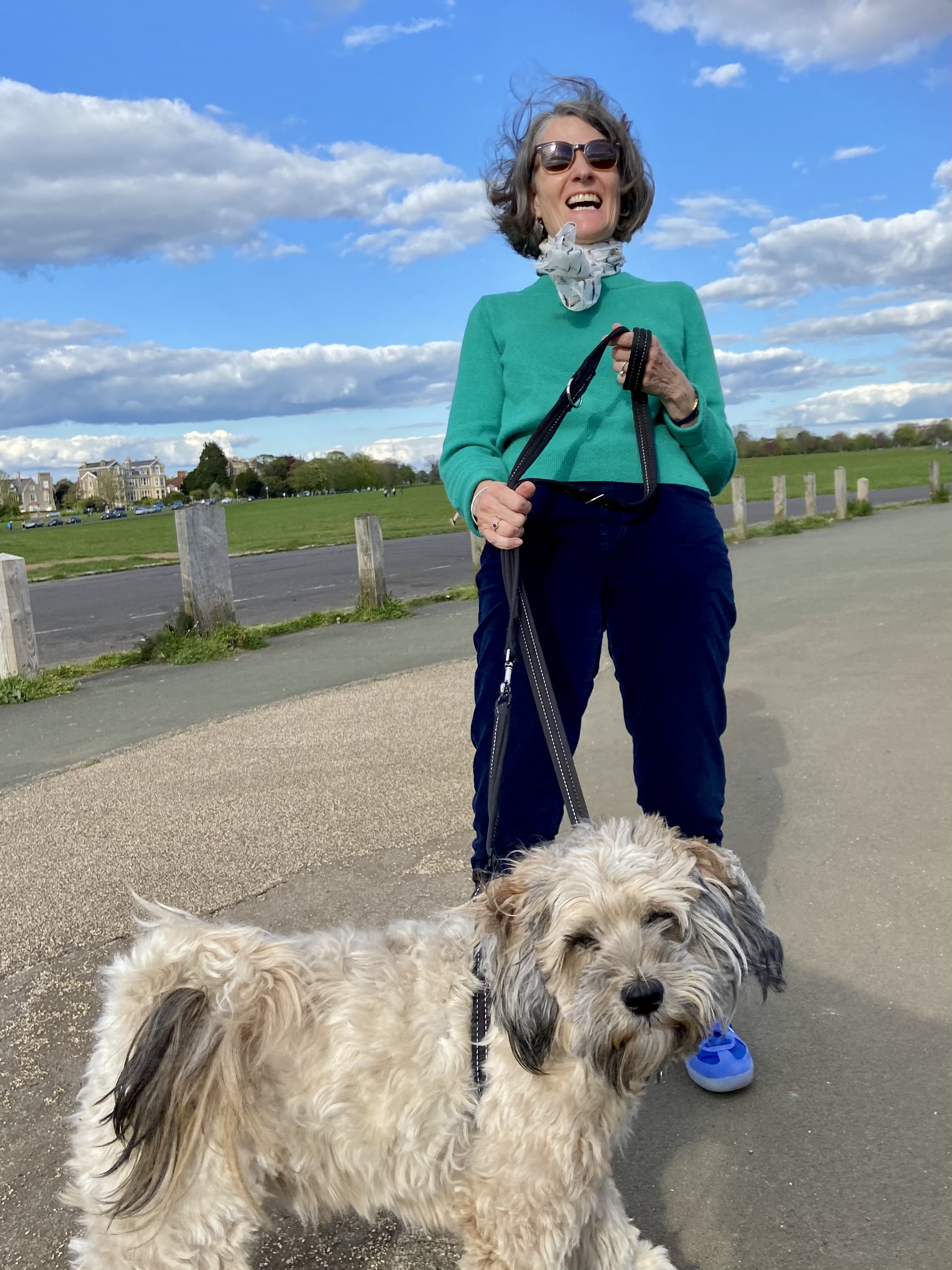
That afternoon she drove me round all the old haunts as well as some new-to-me residential spots including tucked-away leafy parks and Redland’s Chandos Road, with its village vibe and good restaurants. And as a bonus, I spotted my first Banksy – behind a lamp post – The Mild Mild West in Stokes Croft. Travelling up Whiteladies Road, there was the Sainsbury’s where I used to do my food shopping, loading up the top box of my trusty Yahama moped, and then we were up on the Clifton Downs – I had forgotten how expansive they were. Just north-west of the city sits 200-acres of glorious green with fabulous views of the Avon Gorge, where I duly posed for a (blustery) photo with Goose.
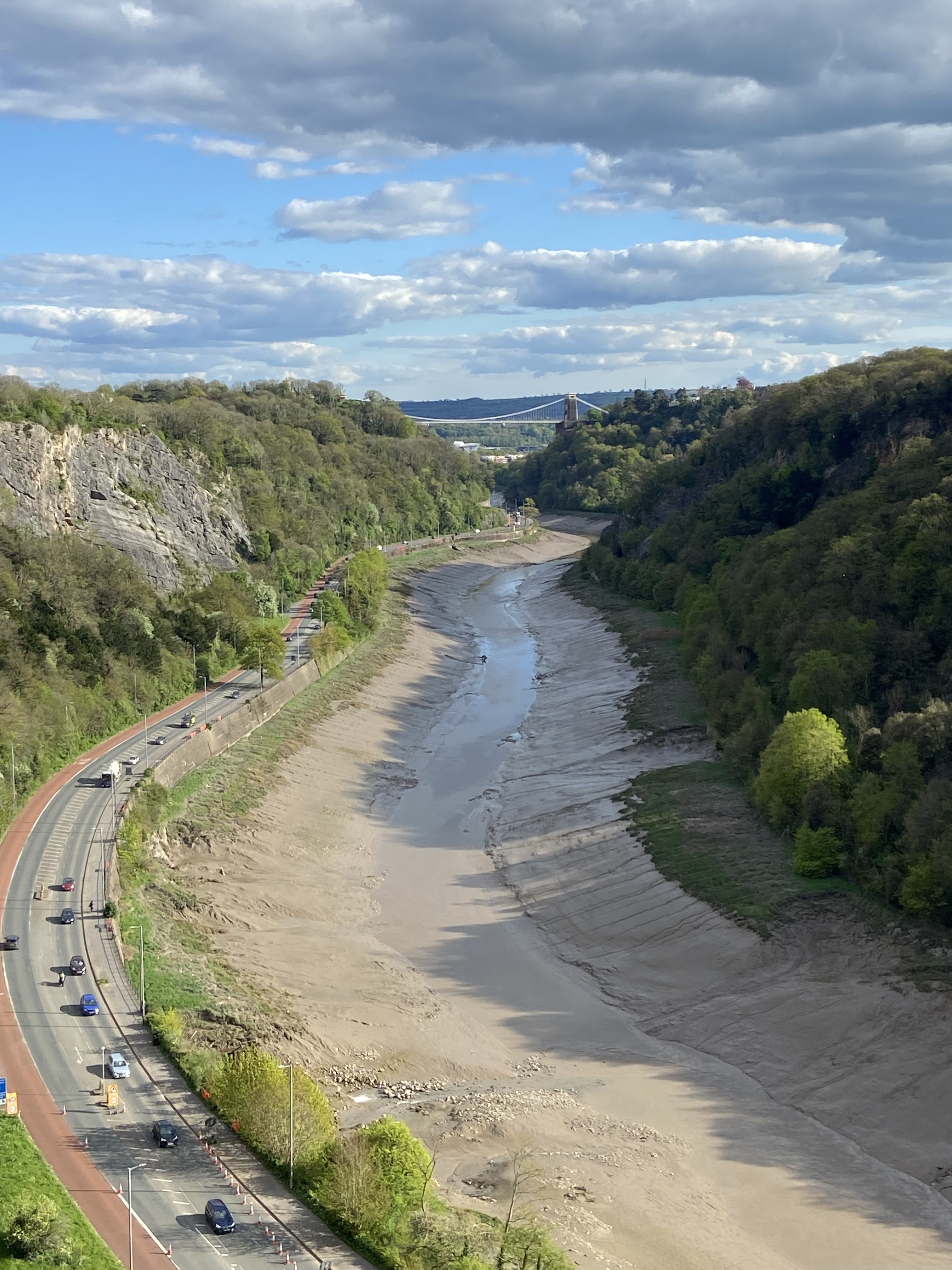
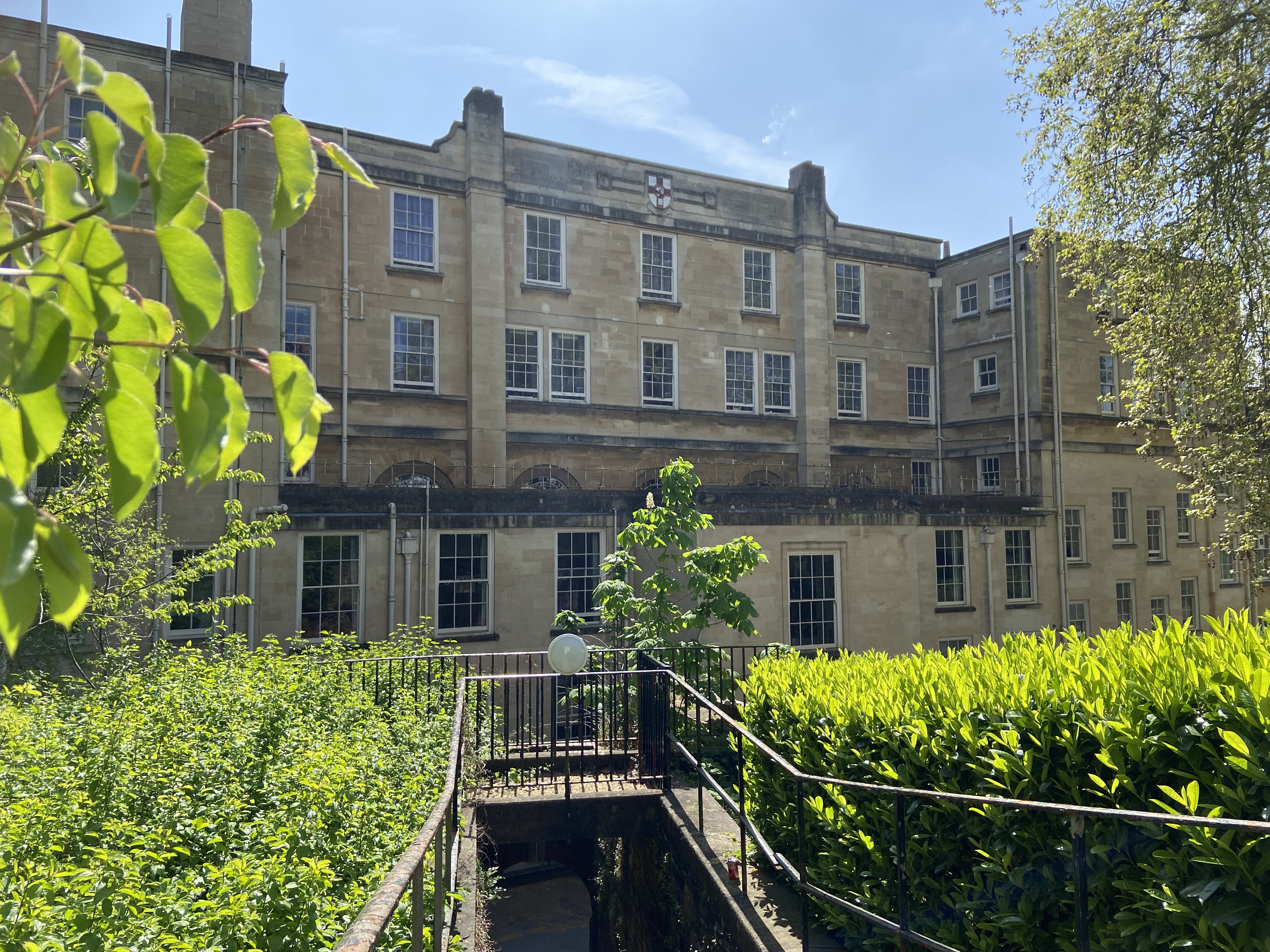
Clifton Village with its Georgian architecture, sweeping honey-stoned terraces, gardens, boutiques, vintage clothing stores, eateries – and of course – the Clifton Suspension Bridge (another Brunel legacy) is also where my hall of residence, Manor Hall, was, and still is, situated. Looking down at the back of the building from Lower Clifton Hill, the word prison popped into my head. The truth is that I was only semi-happy at Bristol – learning to be a self-sufficient adult, finding my tribe, coping with social and academic pressure (think uptight swot) all took a bit of a toll. Back then, Manor Hall, was girls only (with boys in a couple of annexed buildings) and reminded me of boarding school.
We also drove along Woodland Road where I attended lectures at the Faculties of German and of Hispanic, Portuguese and Latin American Studies. Both my German and Spanish courses were heavily literature-based and involved reading lots of the classics – from the 1500s onwards. I was too young and hadn’t really got enough life experience to understand many of these literary classics – I spent a lot of time in the library studying, buried in books, taking copious notes.
How liberating it was to return to this vibrant, foodie, fairtrade city with its independent spirit and culture of activism as an adult, free of exam and peer pressure. In the evening Meryl and her husband Nick very kindly bought me dinner at Sicilian restaurant – la Campagnuola in Redland – and we had a very enjoyable evening, talking about all and sundry.
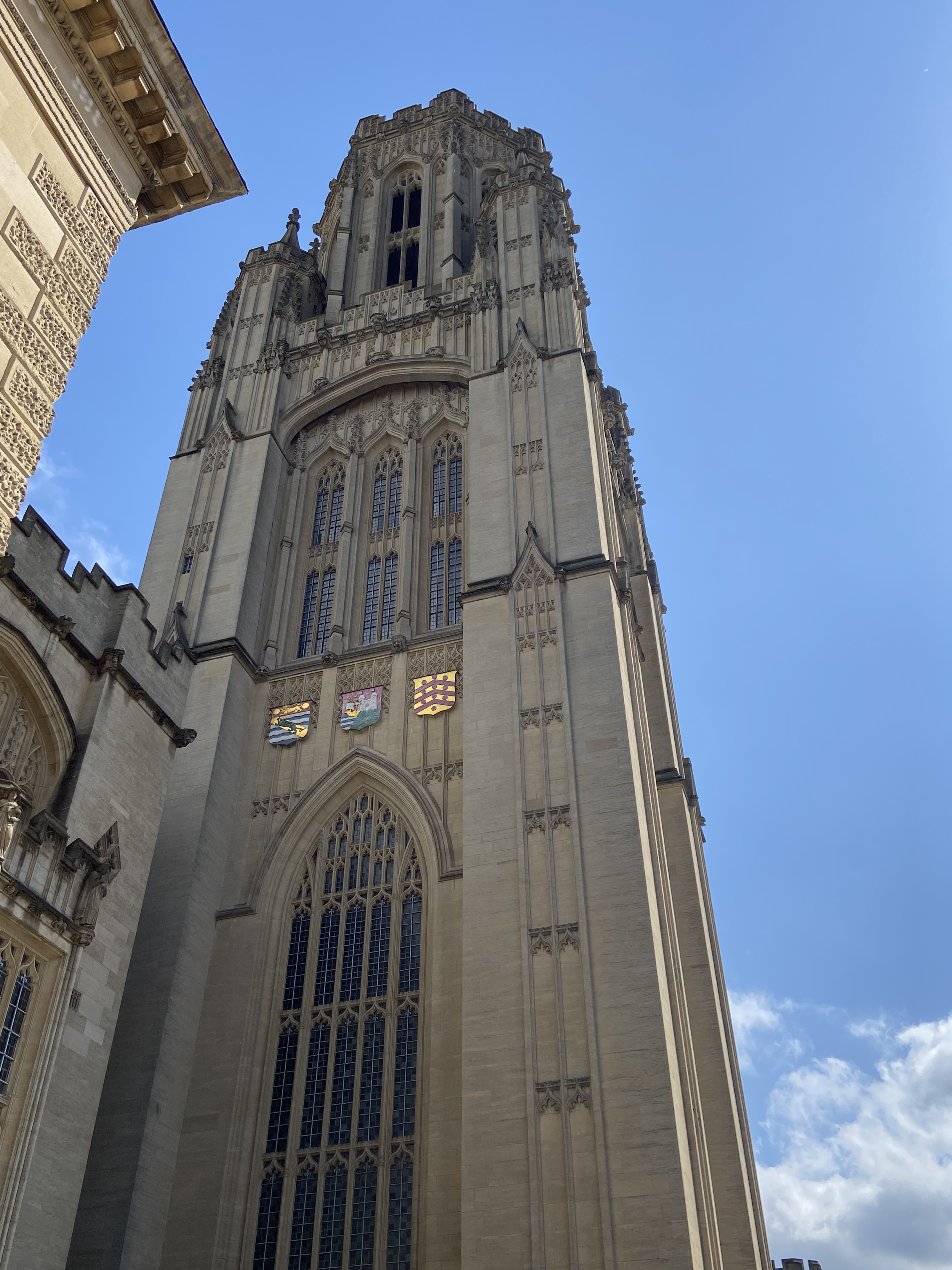
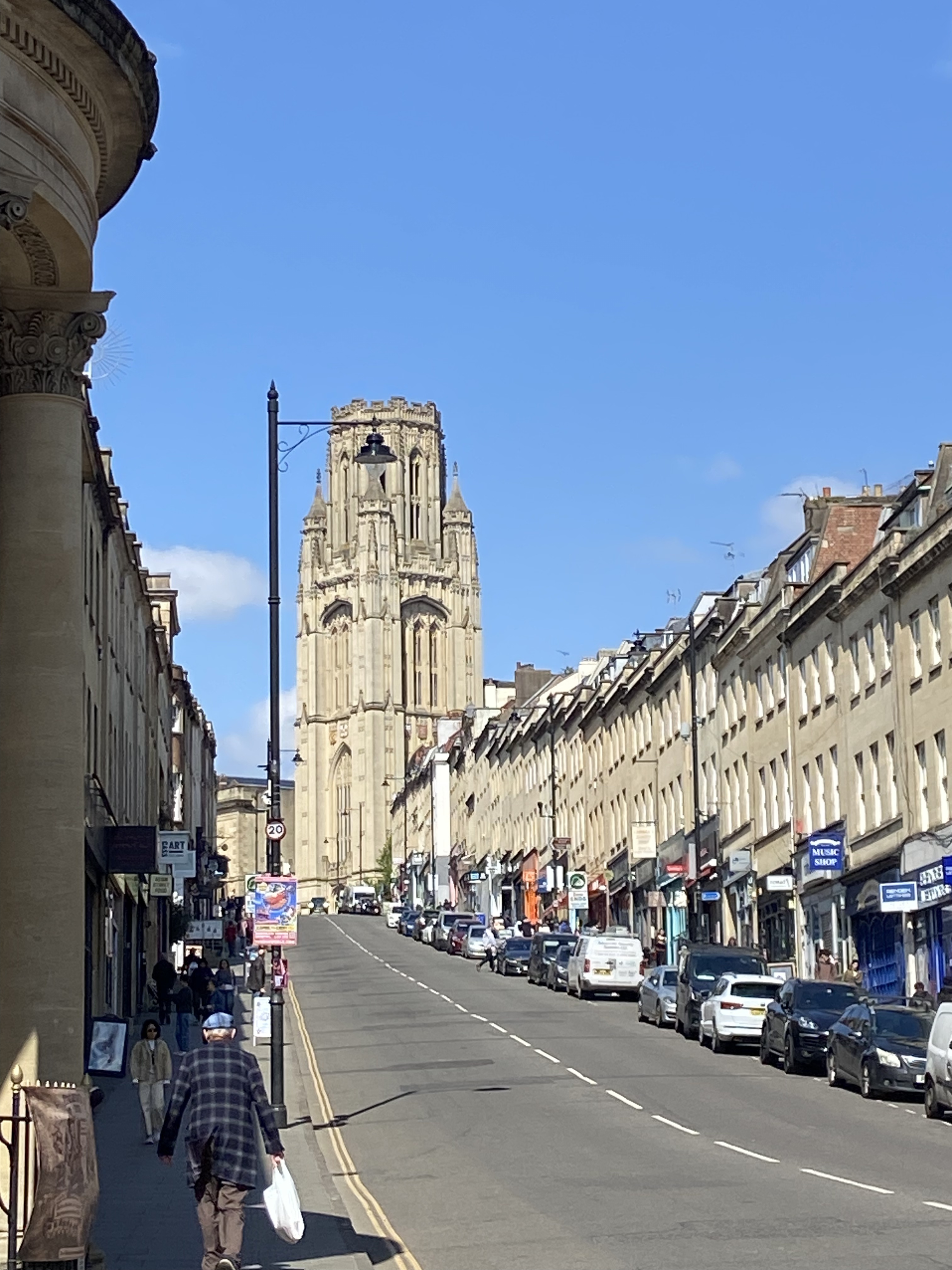
Spoiling me even further, Meryl picked me up the next morning on her way to work and dropped me off at the top of Park Street so I could begin exploring. I started off from the Wills Memorial Building, a soaring Gothic tower, which was funded by the Wills family’s tobacco and slave trade fortunes (more on that later), and opened in 1925. In my day the Hooray Henrys would meet here for lunch – ‘Wills at One’ was the catchcry – and it was on the front steps that my graduation photo was taken.
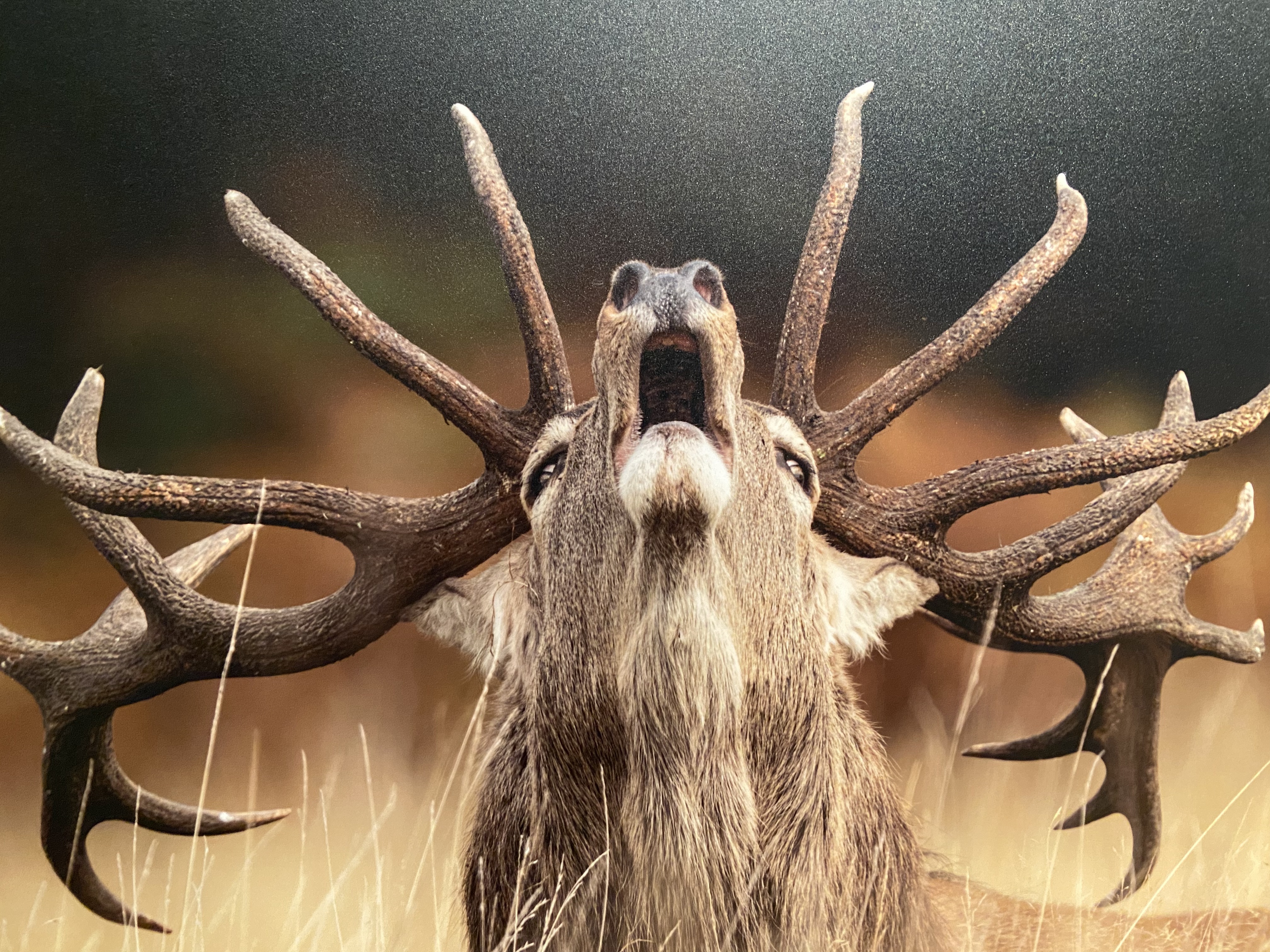
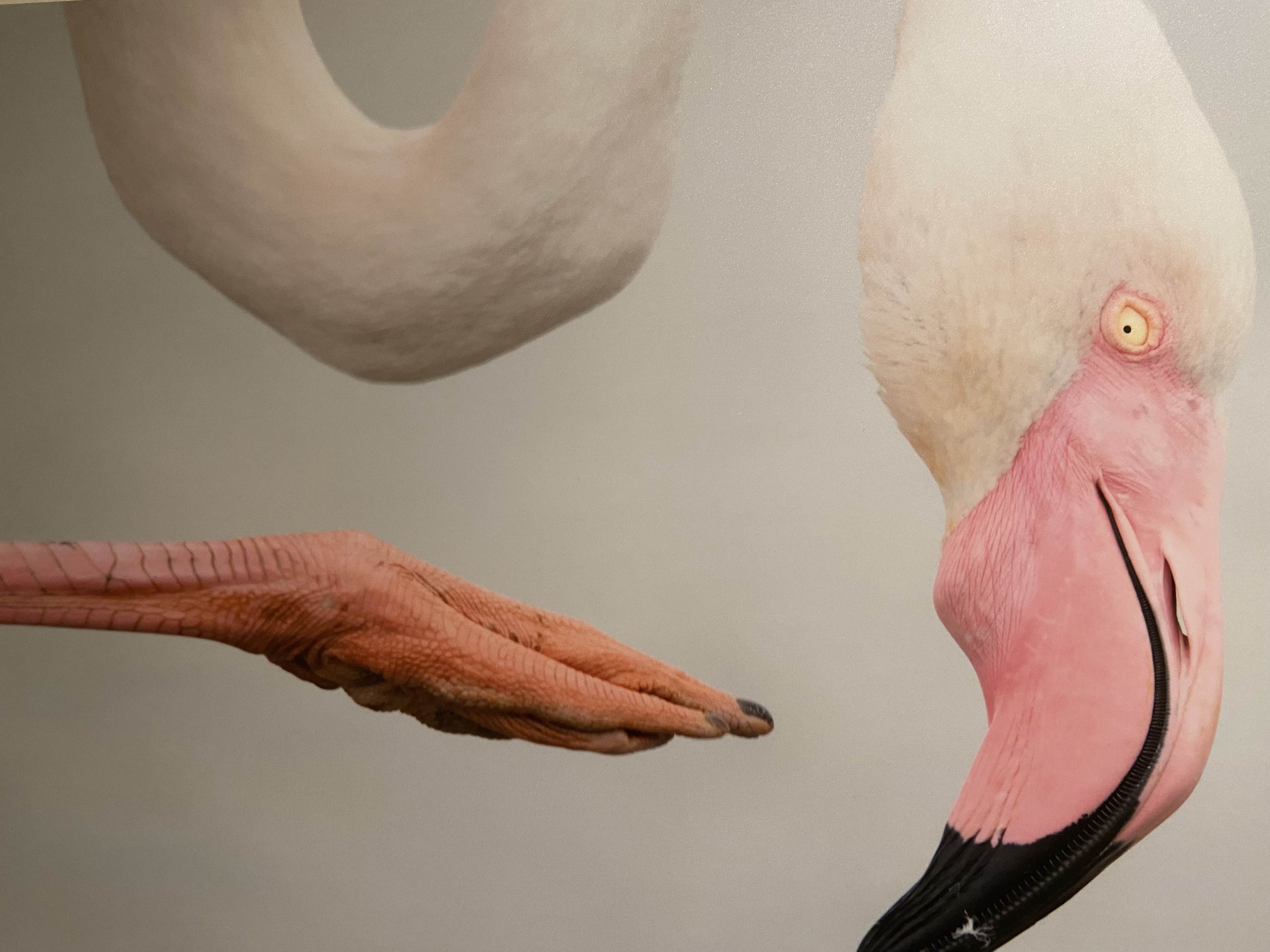
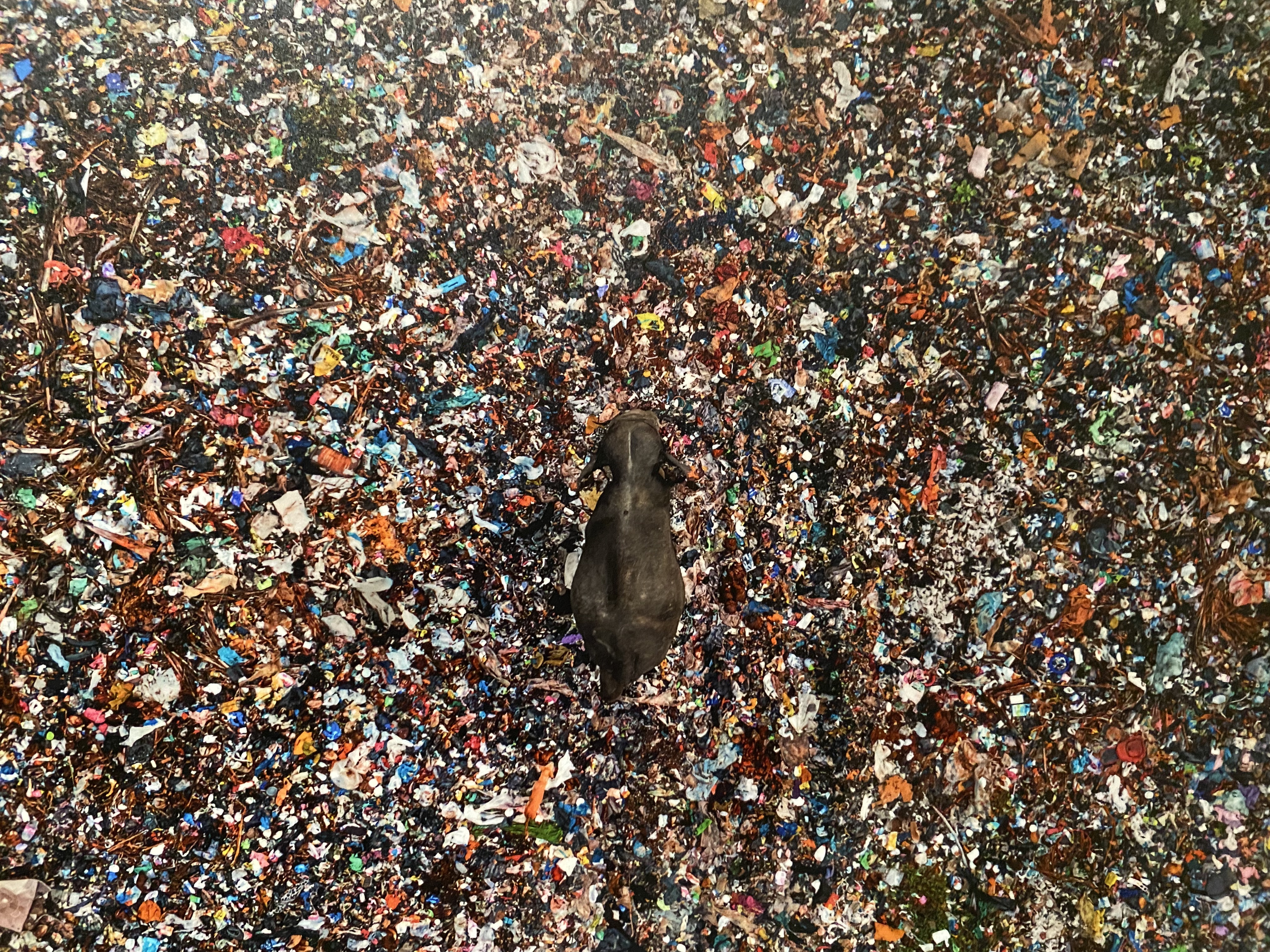
Walking down Park Street, my first stop was the Bristol Museum and Art Gallery where I saw the 2025 Wildlife Photographer of the Year exhibition. It was an immersive and thought-provoking exhibition ranging from aesthetically beautiful and digitally enhanced pictures to confronting images covering themes including climate change, poaching and the farming of wild animals. One of the images that has stayed with me is of an Asian elephant foraging in a toxic landfill site, swamped on all sides by rubbish and harmful plastics.
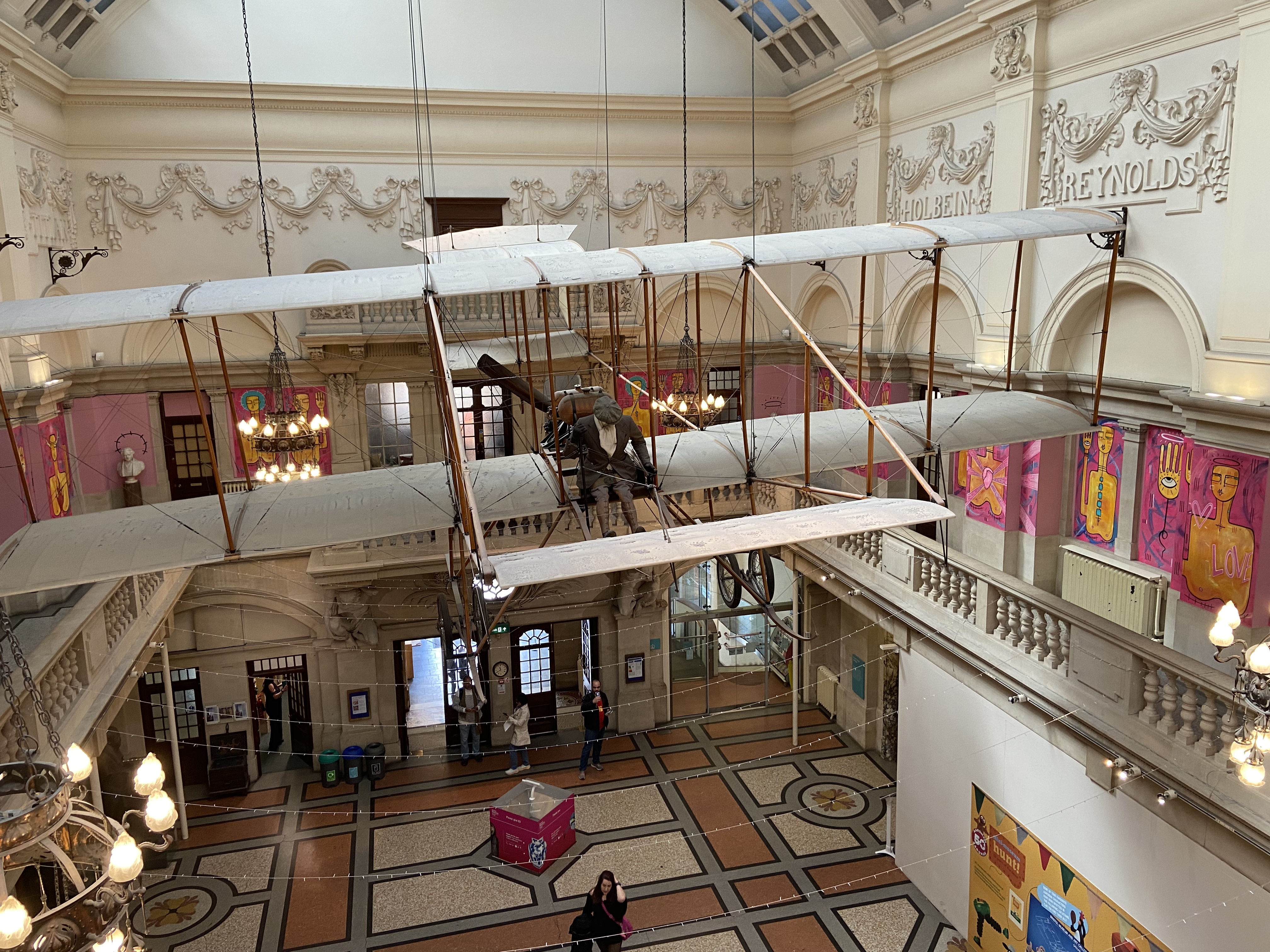
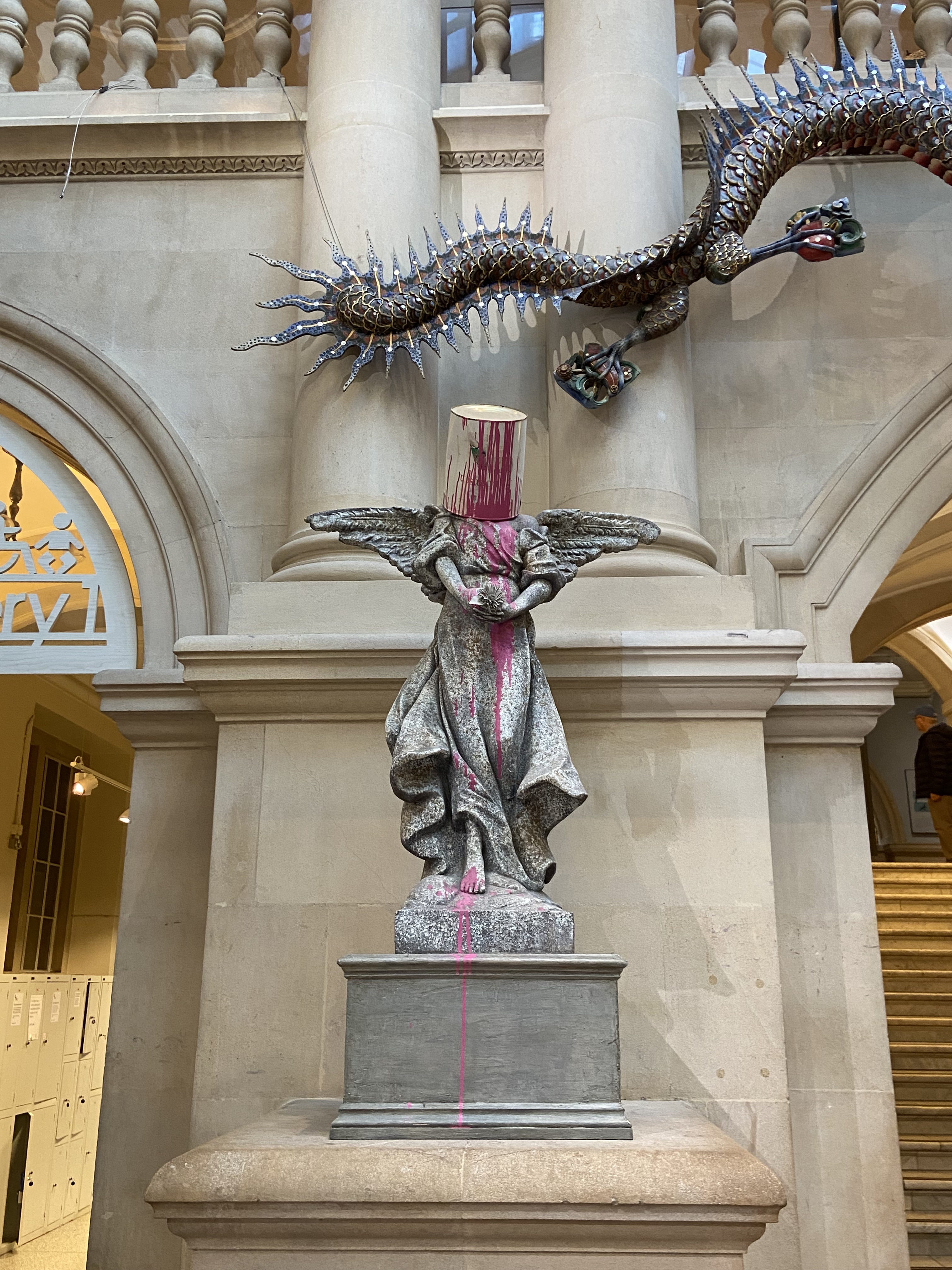
I never went inside the museum as a student. Bristol-born Banksy would only have been eight when I arrived as an undergraduate in 1982. Today, Banksy’s Paint Pot Angel (2009), a sort of anti-statute with a tin of pink paint upended over its face, is situated just to the left of the staircase on the ground floor. You can’t fail to notice it. On the second floor you get a great view of a replica of Bristol Boxkite, the first aircraft built in Bristol and one of three made for the 1965 film, Those Magnificent Men in their Flying Machines (I’m humming the tune as I write this).
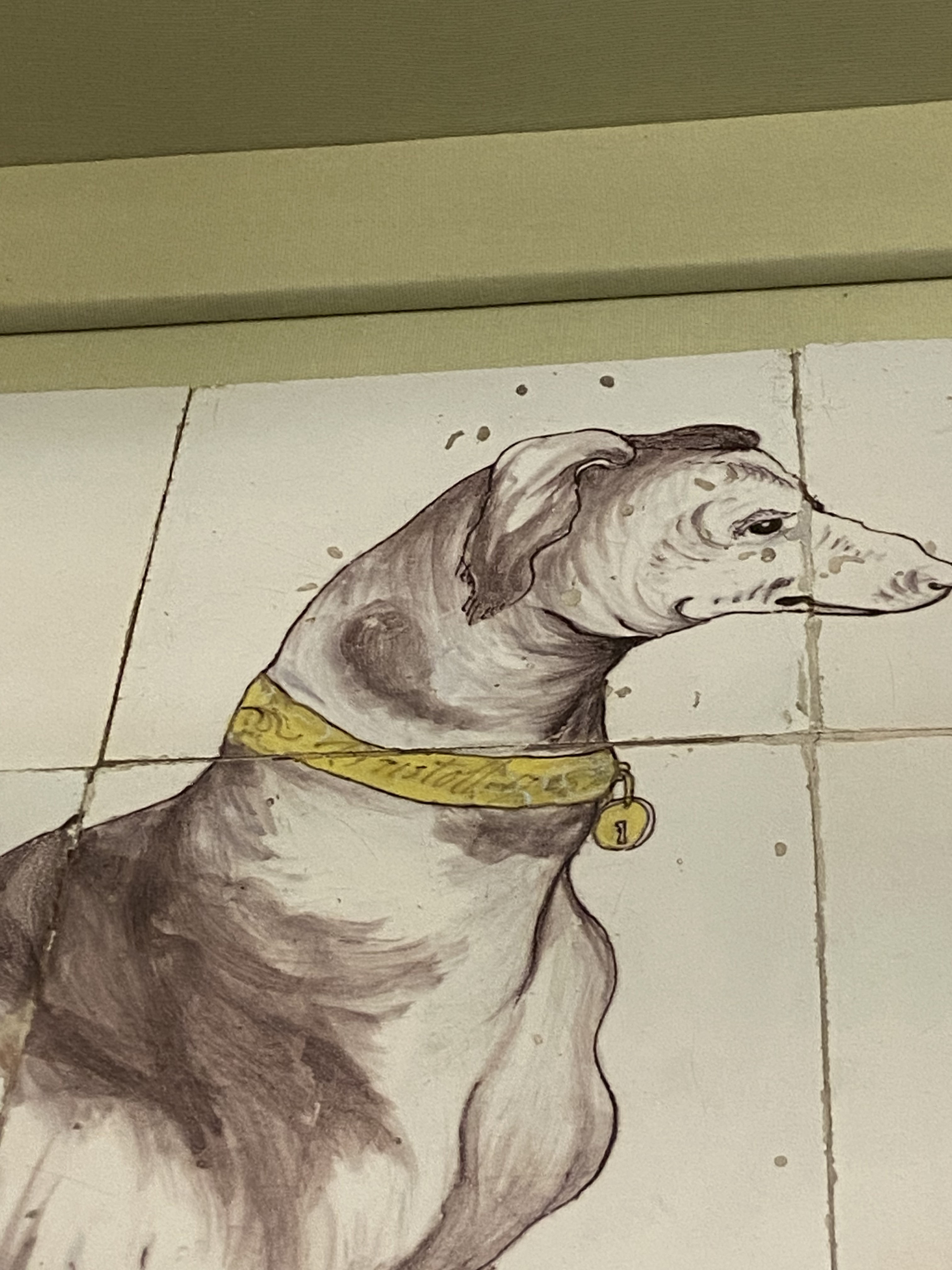
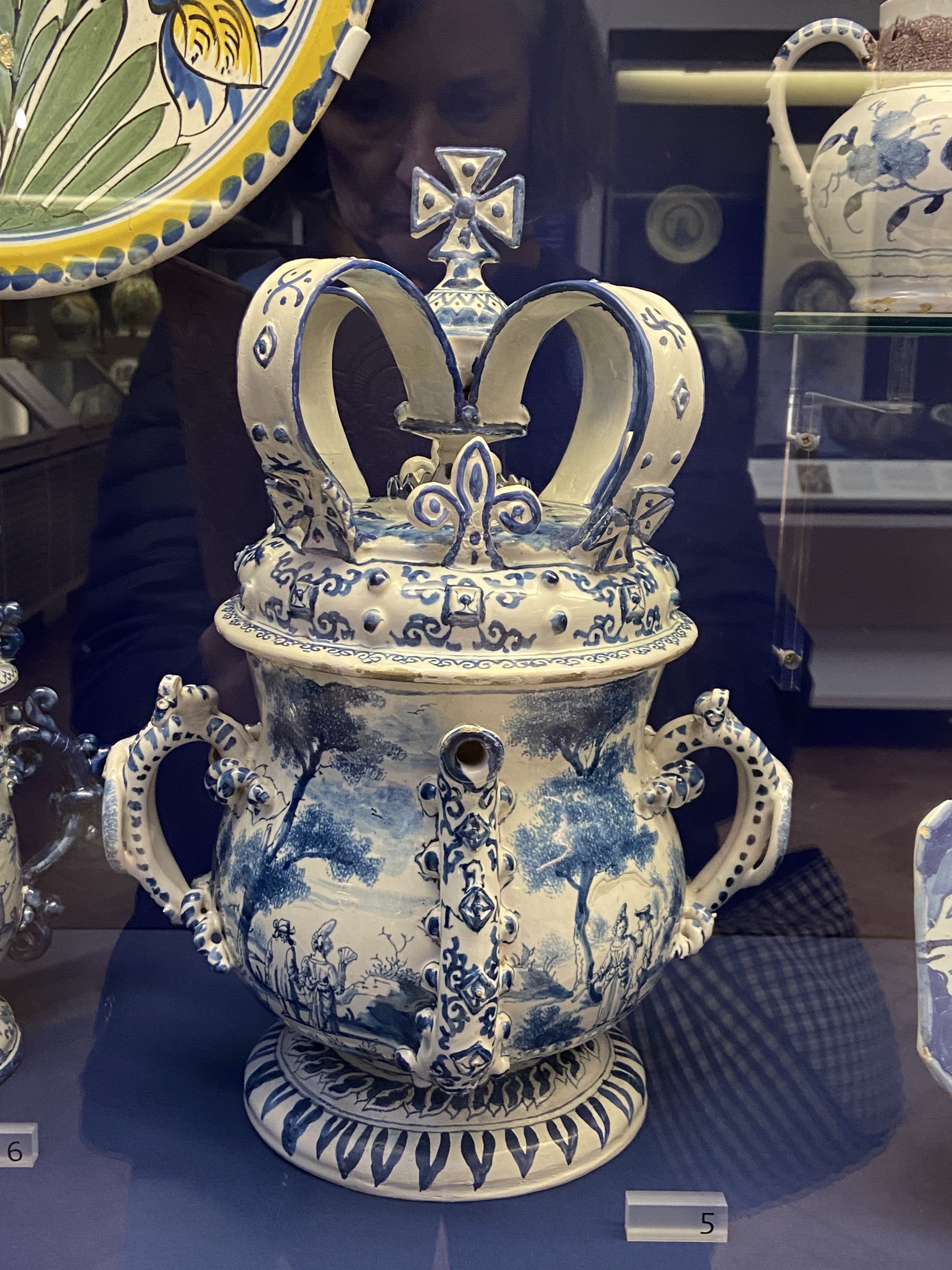
Also on the second floor is a section devoted to pottery, ceramic and glass including Bristol’s Delftware collection. Delftware (named after the Dutch city of Delft) is tin-glazed earthenware known as maiolica in Italy and faience in France. Made in Britain from the late 1500s, Bristol became a leading centre of production in the 1700s. Who knew?! I rather loved the delft tiles painted to form the picture of a dog – these would have been used as fire surrounds, behind wash basins or even as shop signs – with “Bristoll 1752” marked on the dog’s collar. A highly decorated posset pot – most likely used ceremonially or decoratively – piqued my curiosity. Posset was a medicinal or festive drink of milk curdled with wine or other liquor. The curdled milk rose to the top of the pot and the warm spicey liquid was sipped from the spout, giving the two-handled pot a curious shape.
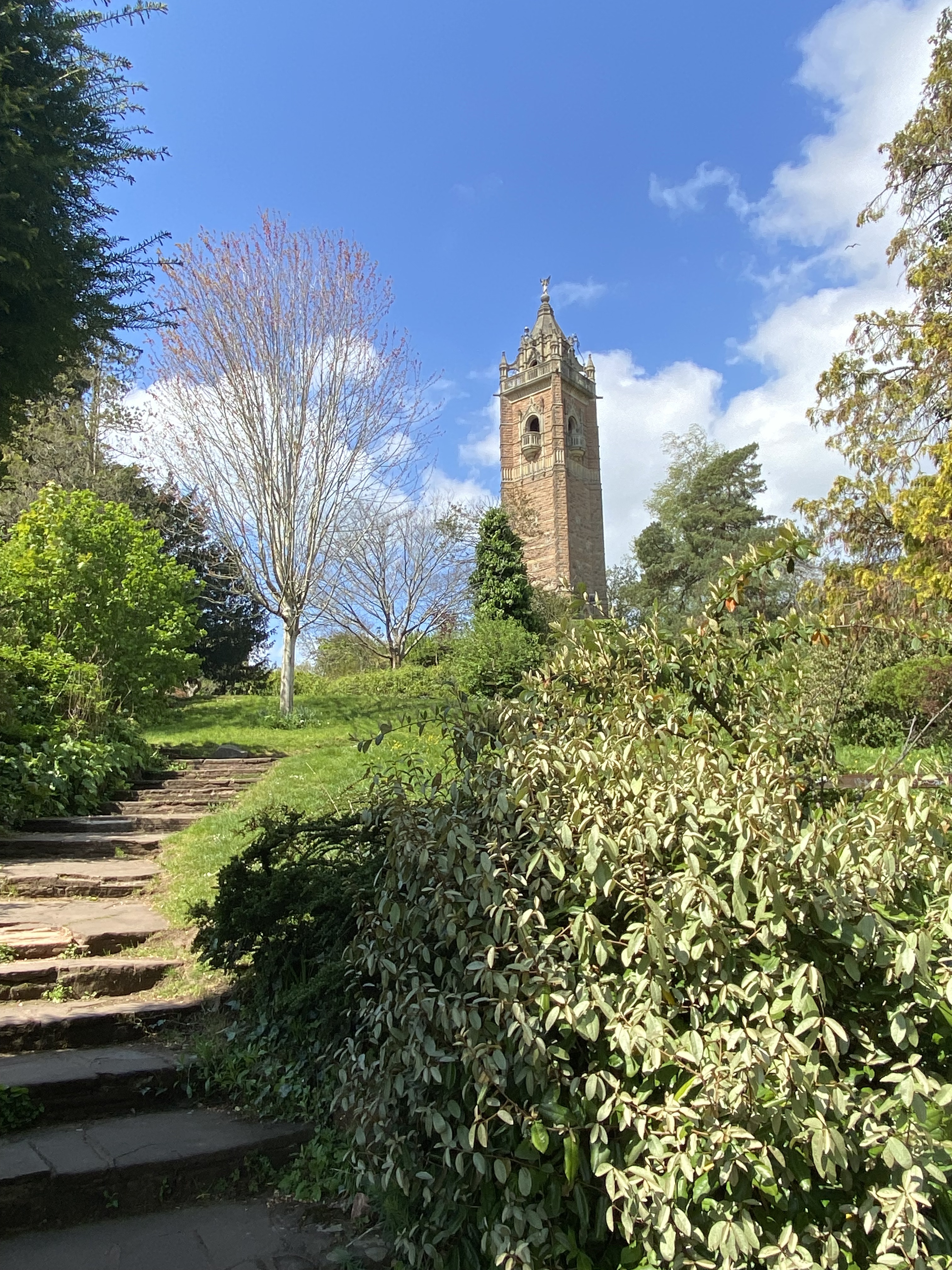
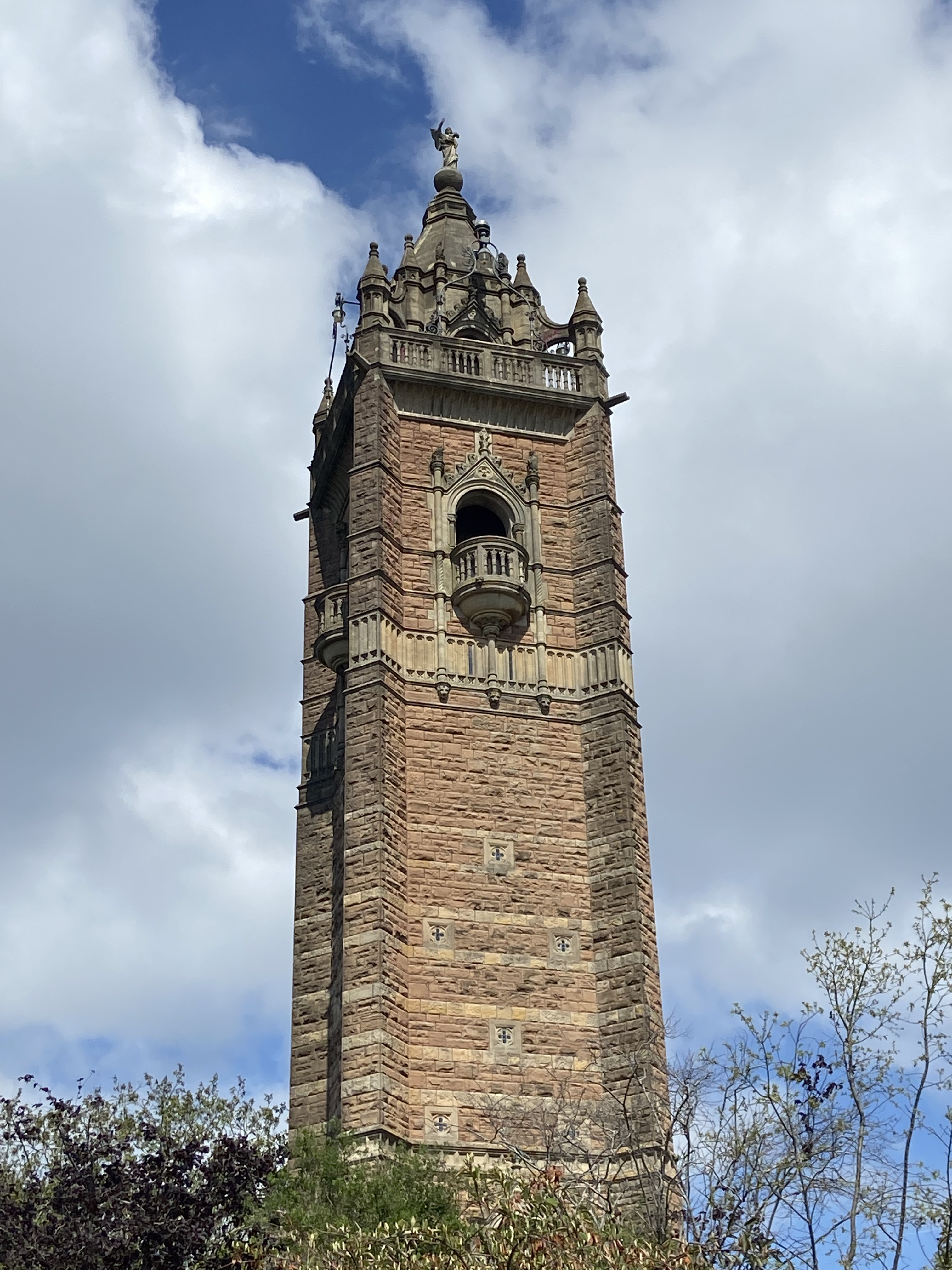
I walked down Park Street in the breezy spring sunshine skirting off up to the Cabot Tower on Brandon Hill. Built in 1897 the tower commemorates the 400th anniversary of John Cabot sailing from Bristol to Newfoundland.
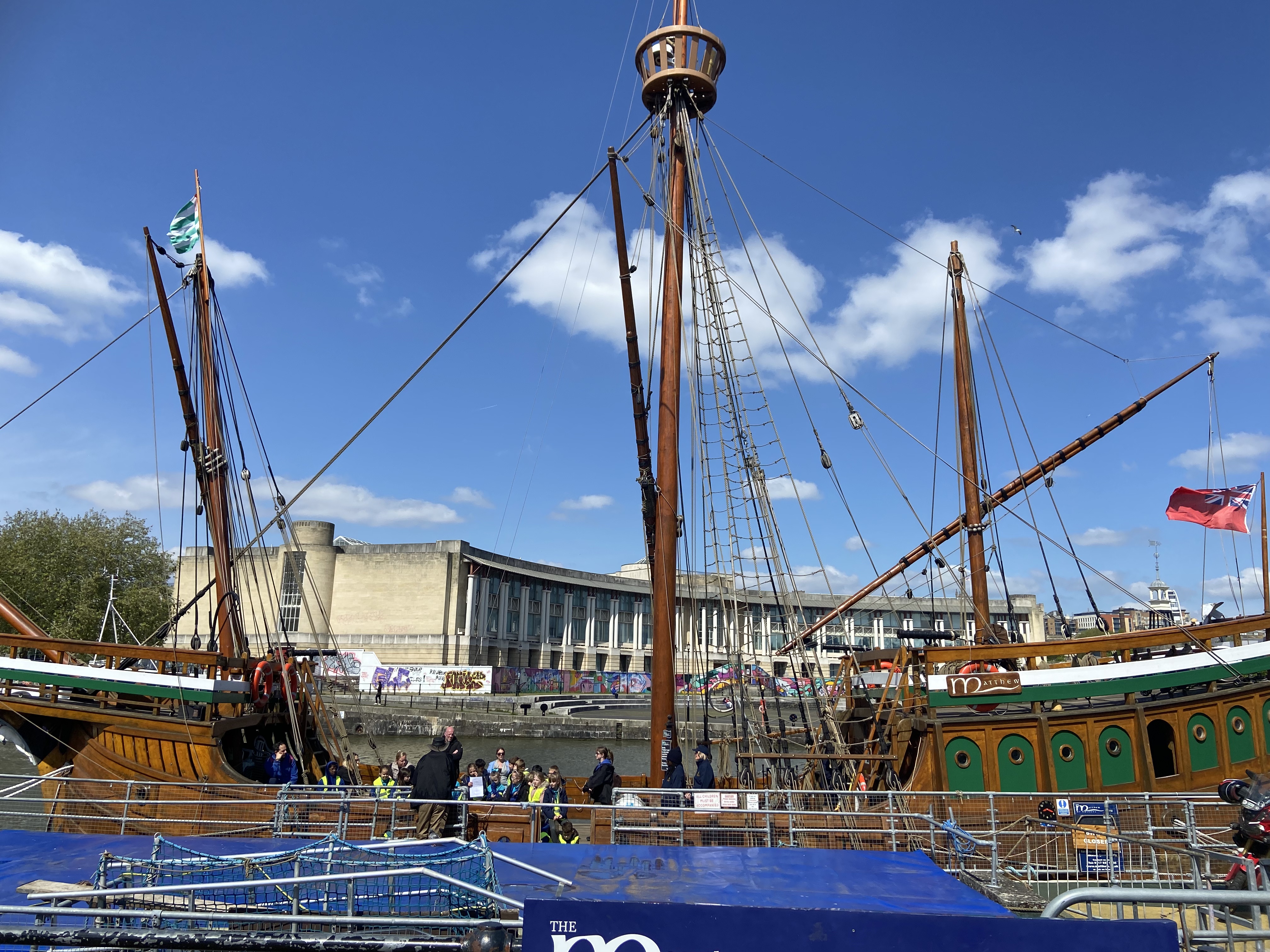
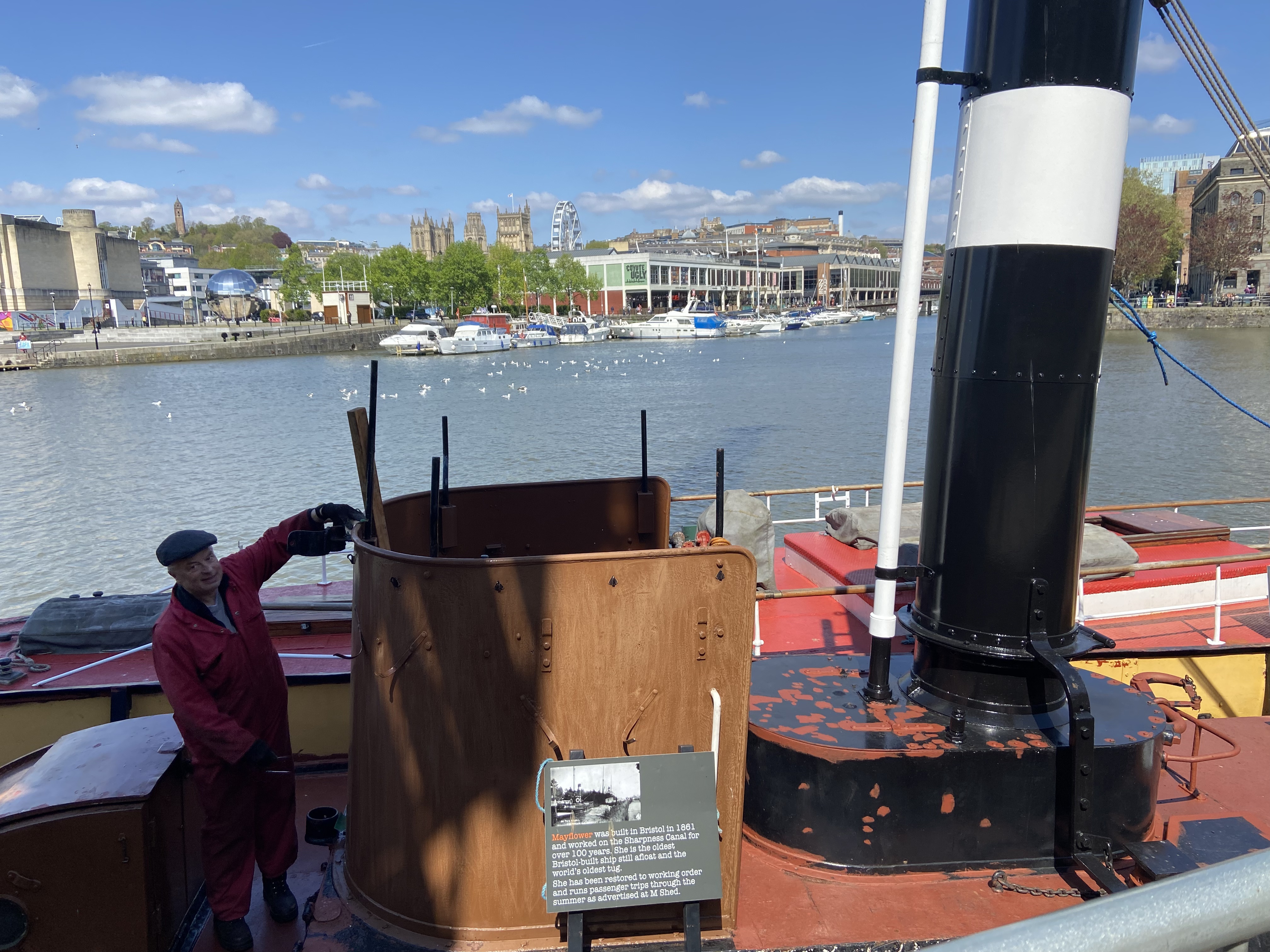
In a neat segue, I continued down to the Harbourside area where The Matthew, a reconstruction of the ship Cabot sailed in, is docked outside M-Shed, a 1950s transit shed and now a museum. A bit further on, it was pleasing to see The Mayflower, the world’s oldest surviving tugboat, built in 1861 to work on the Sharpness Canal, having some TLC maintenance work done.
In my day we went to contemporary art exhibitions at the Arnolfini and art house films at the Watershed, but M-Shed, on Wapping Wharf, only opened in 2011 and so was a new experience for me – I loved it.
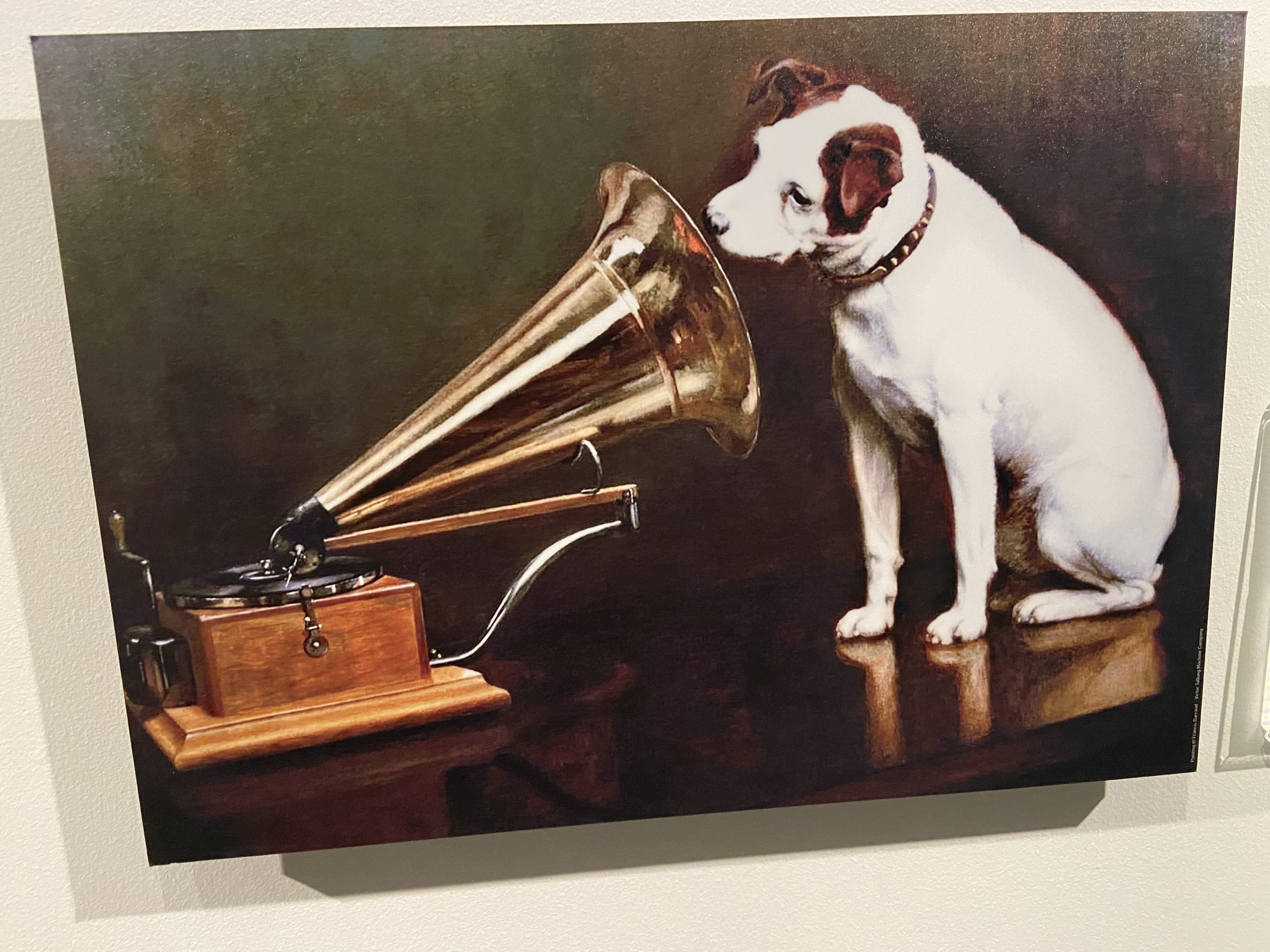
From English Civil War lead musket balls to artifacts relating to well-known Bristolians, archival film footage and photos telling stories about local people and places, it documents the city from prehistoric times to the present day. Exhibits include adverts and items relating to the tobacco trade, Wallace and Gromit (Aardman Animations Ltd is located in Bristol), the band, Massive Attack and Nipper, the dog that featured on the HMV logo. I never knew the dog was from Bristol or that he was actually listening to His Master’s Voice on the gramophone!
As a linguist and fan of British dialects, I enjoyed a special exhibit with recorded local voices discussing the city’s distinctive dialect – lots of rolling Rs and colloquial words such as Brizzle, the local nickname for Bristol.
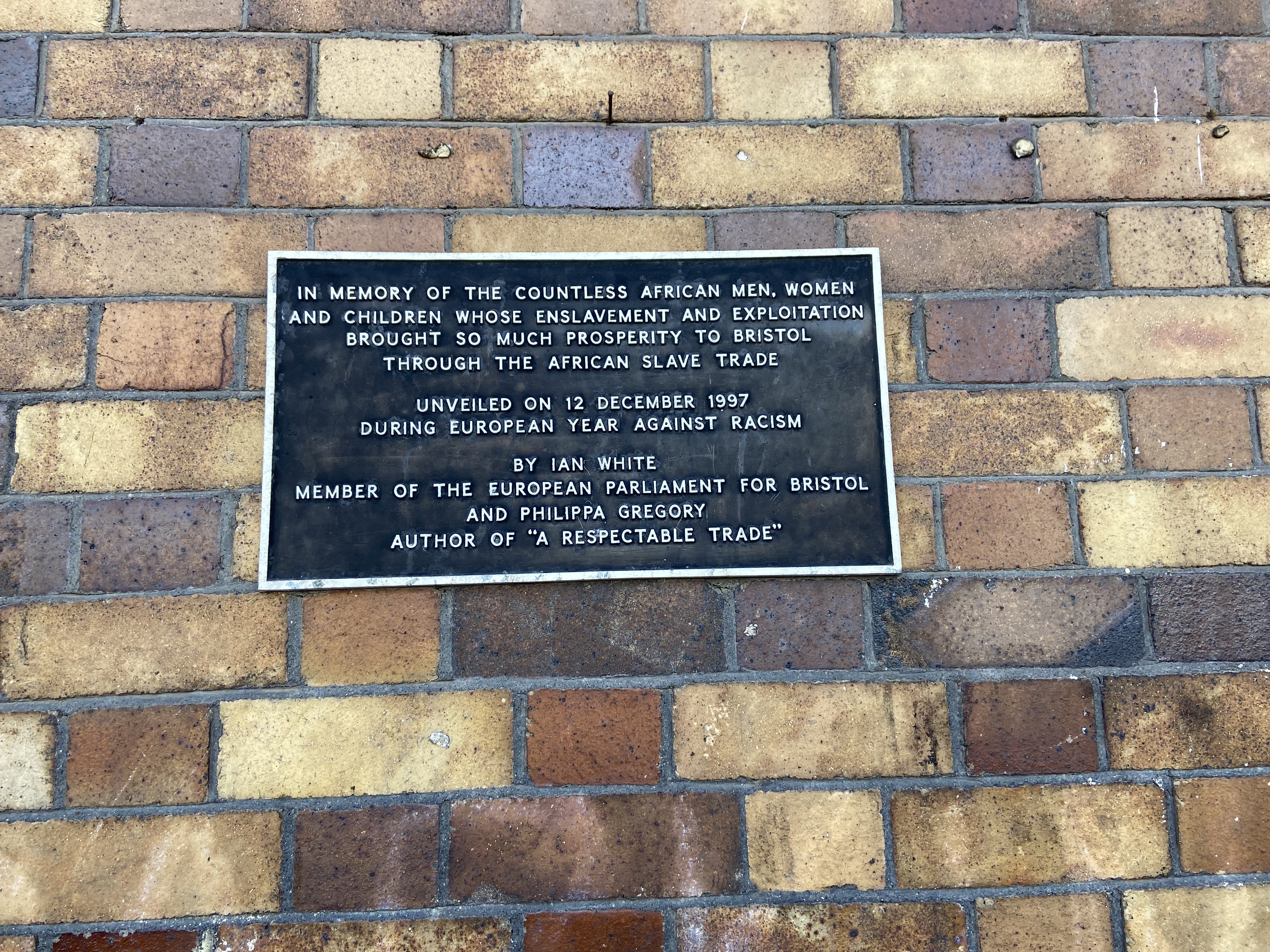
Amid planes, trains and automobiles is a vintage green double-decker bus which tells the story of the 1963 boycott against the Bristol Omnibus Company, the first black-led campaign against racial discrimination in post-war Britain. There is a strong tradition of activism and rebellion in Bristol. In 2011 a group of anti-capitalists in Stokes Croft protested against the building of a new Tesco store in their suburb. And more recently, the statue of 17th Century slave trader Edward Colston was toppled and defaced during a Black Lives Matter protest in June 2020. Bristol was a primary hub of the triangular slave trade in the 17th and 18th centuries. Goods produced in Bristol were exchanged for enslaved people from Africa who were shipped to the Americas to work on sugar, cocoa and tobacco plantations – sugar refining, tobacco processing and chocolate manufacturing were important local industries in Bristol.
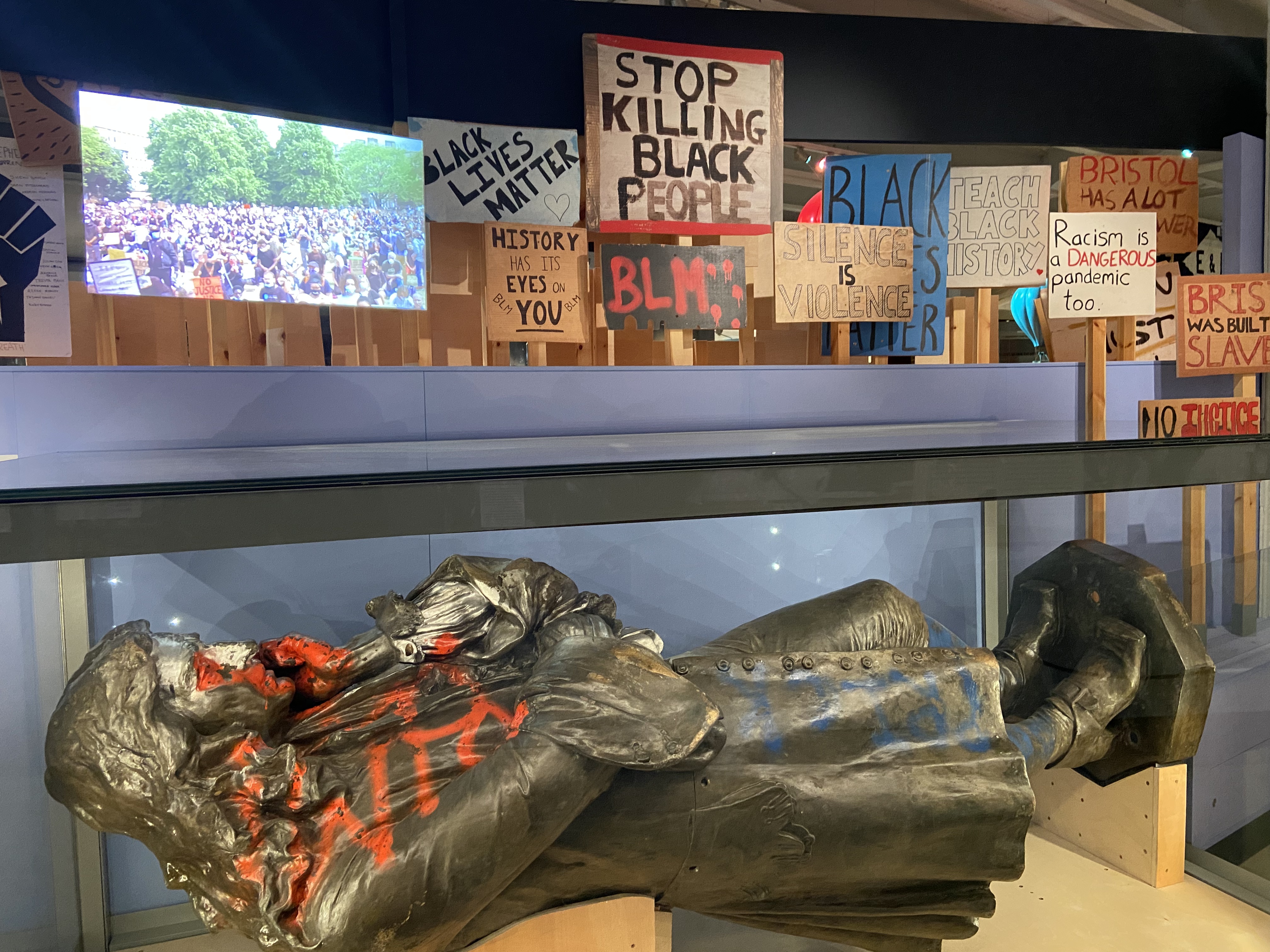
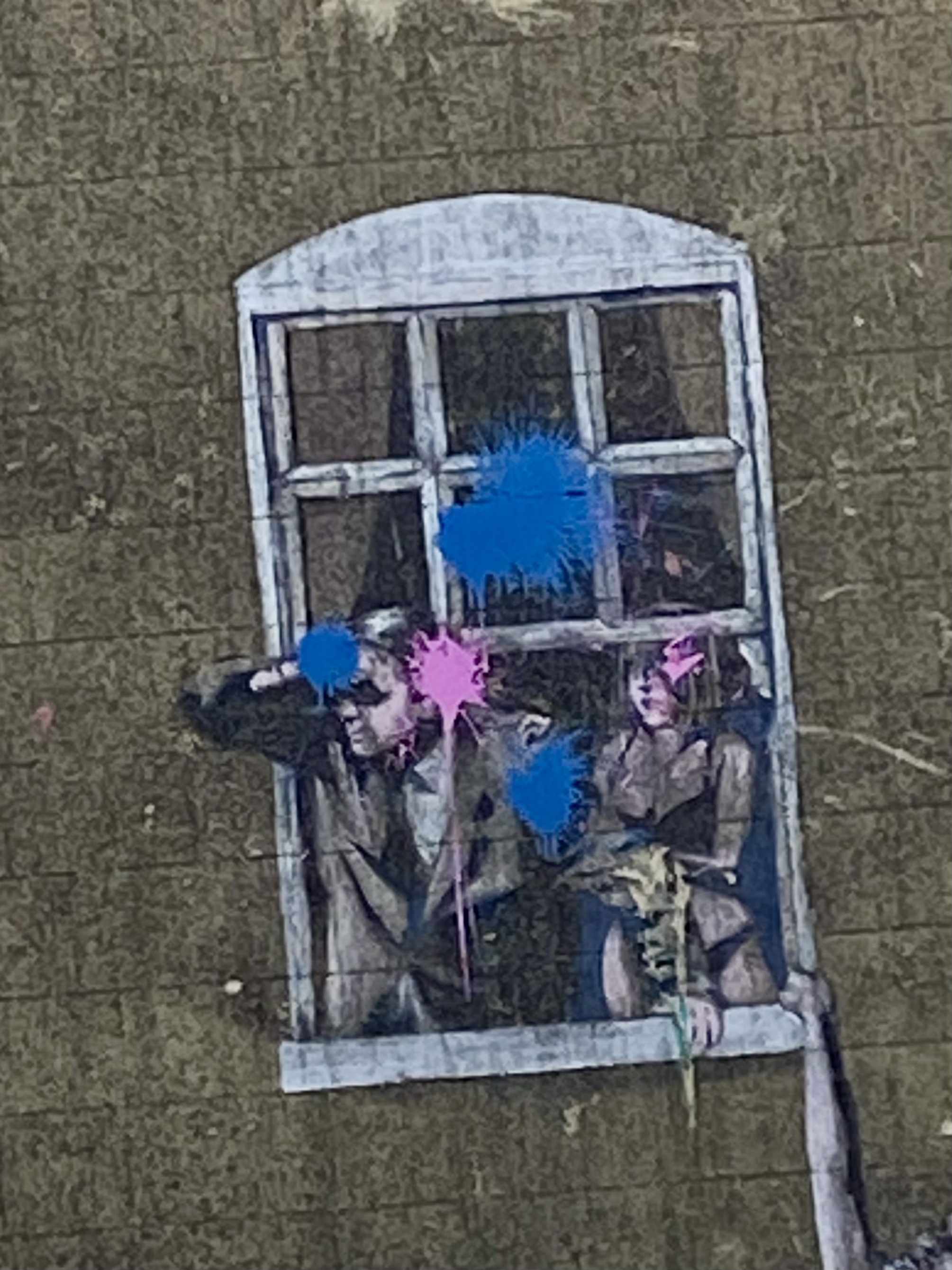
Colston’s graffitied statue was fished out of the docks and is now exhibited at M-shed – shades of Banksy’s Paint Pot Angel! Talking of Banksy, enroute to the station in an Uber I spotted another work of his – The Well-Hung Lover. The traffic lights changed before I managed to photograph it in its entirety so I’ve only got the lover’s arm not his head or body – but the scenario depicted is an illicit affair with the lover escaping, or rather dangling, from the window! Sorry to leave you hanging so to speak…!